Best Rated Inflatable Paddle Boards: How to Choose the Right iSUP
The best rated inflatable paddle boards balance stability, weight capacity and portability. Here is how to pick the one that fits your size, skill and water.
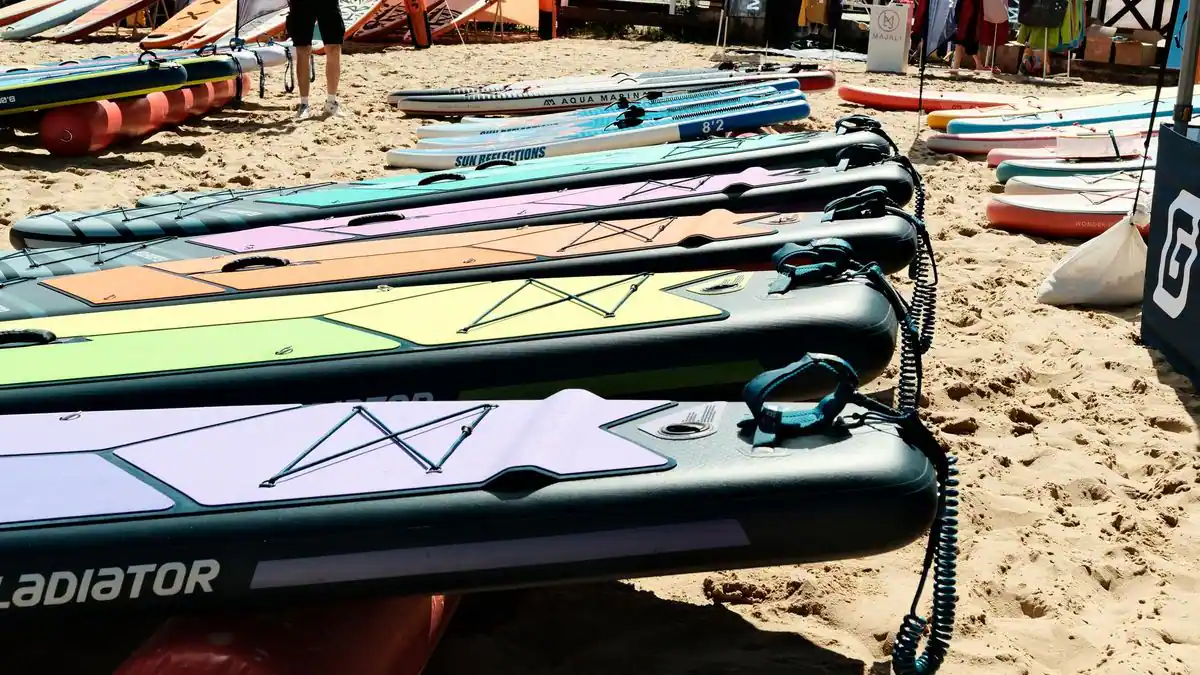
What Is the Best Rated Inflatable Paddle Board?
The best rated inflatable paddle boards balance three things: stability, weight capacity and portability. No single board wins for every paddler. A wide, thick all-around board suits most beginners, while taller or heavier riders and anglers need more capacity, and travelers value a light, compact roll-up.
That is why ranking pages disagree. One reviewer crowns a board for value, another for premium features, another for maximum stability. Each list reflects a different priority, so read the criteria before you read the winner.
Here is what reviewers typically score:
- Stability: width, thickness and how the board feels when you stand, turn or step off.
- Weight capacity: how much rider and gear the board carries while staying rigid and riding high.
- Portability: packed size, board weight and how easy it is to carry to the water. Some lightweight models are priced near the top of the market.
- Performance: glide, tracking and how the board handles chop or wind.
- Included accessories: pump, paddle, leash, fin and carry bag.
- Price and support: what you pay and what the maker covers if something goes wrong.
Be careful with star ratings. A listing can show a high score from many reviews and still be wrong for you. Local directories show the same pattern: one Brownsville listing for stand up paddle board shops shows a 4.2 rating across 825 reviews, but a rating says little about whether a board fits your weight or your water.
Owner write-ups add context that lab-style tests miss. Many lists from long-term users rank boards from big-box retailers next to specialist brands. That tells you good boards exist at several price levels, and that long-term durability matters as much as first impressions.
The rest of this guide shows you how to choose. You will match board type and size to your body and skill, check materials, learn how inflatables fail and how long they last, and avoid common buying mistakes. Use it to build your own shortlist, then compare current reviews against your own priorities.
Which Brand of Paddle Board Is Best?
No single paddle board brand is best for everyone. The right brand depends on your budget, your experience and what you plan to do on the water. Reviewers and owners rarely agree on one winner, and that is a useful clue: brand name matters less than how a specific board is built and supported.
Brand lists still help you start. Buyer’s guides published in 2026 compare brands on construction quality, performance and real-world use. Some brands get credit for premium features and stability, others for all-around versatility, others for low prices. On Reddit, paddlers name several makers when asked for the best brand, and one commenter calls a particular brand beginner friendly and nearly indestructible. That is one owner’s opinion, not a test result, so treat it as a lead to check.
Instead of asking which brand wins, ask what stands behind the board. Compare these points:
- Warranty terms: read what is covered, for how long, and whether the warranty requires registration or a receipt.
- Parts and repair support: can you buy a replacement valve, fin, pump hose or repair kit from the maker?
- Build details: look for the construction type, number of PVC layers, rail design and stated weight capacity.
- Honest specs: a brand that lists dimensions, volume, board weight and pump pressure clearly is easier to trust.
- Owner feedback over time: favor reports from people who have used the board for a long stretch, not only first-week reviews.
- Return policy and customer service: a responsive company matters most when a board arrives with a defect.
Be cautious with a single score. A high rating on a retail page can reflect a price, a package deal or a fast first impression. It does not prove the board will hold up after a season of sun, trips and storage.
A practical approach: pick three boards that match your size and use, then compare their warranty pages and parts listings side by side. The brand that explains its coverage clearly and sells replacement parts is usually the safer buy, whatever its name.
Are Inflatable Paddle Boards Worth It?
For most recreational paddlers, yes. An inflatable paddle board is worth it when you value easy storage, simple transport and a board that tolerates bumps. If you mainly want top speed, surf performance or racing, a rigid board still has the edge.
Here is how the two compare on the points that decide most purchases:
- Storage: a deflated iSUP packs into a bag that fits a closet, a car trunk or a corner of an apartment. A rigid board needs wall racks, a garage or roof storage.
- Transport: you carry the bag to the water and inflate on site. A rigid board usually needs roof racks or a truck bed, plus straps and padding.
- Durability: inflatables take bumps against rocks, docks and shorelines well, since the surface flexes instead of cracking. Rigid boards can ding or crack on impact.
- Performance: a well-made inflatable is stiff enough for cruising, fitness and yoga. Rigid boards generally glide faster and respond better in surf or race settings.
- Setup time: an inflatable needs pumping before and drying before packing. A rigid board is ready to carry to the water.
Who benefits most from an iSUP? Beginners who want a forgiving board, apartment dwellers, travelers, families sharing one board and anyone without a roof rack. Owners on forums also point out that inflatables suit people who are not sure how much they will paddle, because storage is so easy.
Watch the hidden costs. One 2021 review noted that inflatables are affordable these days but still require a roughly $150 accessory. Check what comes in the box, since a weak pump, a thin paddle or a missing leash can add to your total. The accessories section later in this article covers what to look for.
People also ask whether paddleboarding is losing popularity. The research for this page does not give a reliable answer, so do not buy based on trends. Buy based on how often you realistically expect to use the board.
A simple test: if you will paddle several times a season and lack space or a rack, an inflatable is likely worth the money. If you live on the water with room to store a long board and want maximum performance, a rigid board may suit you better.
How to Choose by Weight, Skill Level and Water Conditions
Match your board in four steps: start with weight, then skill, then water, then length and width. Do them in that order and the right shape usually becomes clear.
- Start with total weight. Add your body weight to anything you will carry, such as a dry bag, cooler, fishing gear, a child or a dog. Compare that total to the weight capacity the maker lists. Choose a board whose listed capacity sits comfortably above your load. A board near its limit sits low in the water, feels sluggish and tips more easily.
- Be honest about your skill level. If you are new, pick a wider, more stable board. A common guide says medium boards of 30 to 34 inches wide suit beginners and all-around use. Narrow boards under 30 inches are best left to experienced paddlers and racing. Surfing guides make the same point about progress: build skill in easy conditions first, then move up.
- Read the water you will paddle. Calm lakes, slow rivers and sheltered bays are forgiving. Wind, chop and current are not. Surf resources suggest beginners stay in small waves, ideally no more than 3 feet, and the same caution applies to open water on a paddle board. Check wind and tides before you go, and stay close to shore until you know how your board handles.
- Fit length and width to your body. Taller paddlers generally want a longer board. Shorter paddlers do better on a shorter one. If you are unsure, go wider before you go longer.
Here is how the factors usually push your choice:
- Heavier paddler or lots of gear: more volume, more thickness and a higher listed capacity.
- Lighter paddler: a very large board can feel hard to steer, so avoid oversizing.
- Beginner on calm water: an all-around shape with a wide, steady deck.
- Longer trips or windy days: a longer board tracks straighter, but only if your balance is already solid.
A mistake to avoid: choosing a board for the paddler you hope to become. A narrow, fast board is frustrating if you spend the first month falling off it. Choose for today, then upgrade.
Be careful with one more thing. Capacity numbers on a listing are the maker’s figures. We have no test data behind them, so treat them as a guide and leave yourself a margin.
If you are still unsure, try a board before you buy, or ask a local rental shop what works for beginners in your area.
What Materials and Construction Make an iSUP Last?
An inflatable paddle board is only as durable as its construction. The best builds combine a high-density drop-stitch core with durable, reinforced PVC layers. Here is what each part does and what it means for stiffness and weight.
Drop-stitch core. Thousands of fine threads connect the top and bottom fabric inside the board. When you inflate it, the threads hold the surfaces flat and rigid. Makers describe high-density drop-stitch fabric as the base of most inflatable boards. A denser weave generally means a stiffer board at a given pressure.
PVC layers. Inflatables use at least one layer of PVC to form the airtight shell that becomes the deck, hull and rails. Extra reinforced layers add stiffness and abrasion resistance, but they also add weight.
Single-layer versus laminated builds. Sources describe single-layer construction as the most basic and economical approach: one layer of PVC laminated over the drop-stitch fabric. Multi-layer or laminated builds stack more material for a firmer, tougher board. The trade-off is simple:
- Single-layer: usually lighter and cheaper, easier to carry, but it can flex more and may be less resistant to scuffs.
- Laminated or multi-layer: typically stiffer and more durable, but heavier and pricier.
Rails. Rails take the most stress from bumps, docks and rocks. Look for reinforced or extra-layered rails. Well-built inflatables can feel close to a rigid epoxy board on the water, according to one maker’s construction guide.
Valves and fins. These are small parts, but they cause real frustration. Check that the valve is a standard, easy-to-use type and that the cap seals well. Check how the fins attach, whether removable or fixed, and whether they are easy to fit and take off for packing.
Materials and sun. One overview points to strong coastal sun, like the sun around South Padre Island, as a factor that can speed up material wear. That makes build quality matter more if you paddle often in open sun. The care steps that slow this wear are covered in the lifespan section below.
Check before you buy: look at the construction description, not only the price. Ask what layers the board has, how the rails are built and what the warranty covers. Do not rely on vague words like “premium.”
Better materials raise stiffness and durability, but they also raise weight. Choose the build that matches how often you will carry the board and how rough your conditions are.
Do Inflatables Ever Catastrophically Fail?
Yes, inflatable paddle boards can fail, but a sudden, dangerous collapse is rare compared with slow leaks and small defects. Most problems start small and show warning signs. You can lower the risk with correct inflation, careful storage and a quick check before every trip.
A note on the research. The sources for this question mostly cover inflatable play structures such as bounce houses, not paddle boards. Their failures come from wind, poor anchoring and improper setup, which is a different product with different risks. This page does not borrow their injury figures for paddle boards. For SUPs, the evidence here is limited, so the points below are common-sense failure modes and not measured rates.
Failure modes owners and makers commonly discuss:
- Seam or glue-line separation. Layers can peel at the rails or seams, often after heat, age or a manufacturing flaw. You may see bubbling or a soft spot first.
- Valve problems. A loose valve, a dirty seat or a worn cap can leak air. This is usually a slow loss of pressure.
- Overinflation. Pumping past the maker’s listed pressure strains the seams and the drop-stitch threads.
- Heat. A fully inflated board left in direct sun or a hot car builds pressure as the air warms.
- Punctures and abrasion. Rocks, oyster shells, docks and sharp fin edges can cut or scrape the skin.
How to lower the risk:
- Check the pressure range printed on your board and stay inside it.
- Use a gauge on your pump. Do not guess by feel.
- Do not leave an inflated board in the sun or a closed car. Let some air out if it will sit in heat.
- Inspect valves, seams and rails before each outing. Look for bubbles, creases or wet spots.
- Rinse off sand and salt, dry the board fully and store it rolled loosely, out of the sun.
- Carry a repair kit and a spare way to inflate it on longer trips.
Stay safe if it does fail. Wear a personal flotation device and use a leash suited to your water. Stay near shore until you trust the board. A board with a slow leak usually gives you time to paddle back.
Before you buy, read what the warranty covers and how the maker handles seam or valve defects. If a seller does not state this clearly, treat that as a warning sign.
How Long Do Inflatable Paddle Boards Last, and Do They Degrade?
Inflatable paddle boards typically last 5 to 10 years with proper care, according to one 2026 lifespan guide. Yes, they degrade over time. Sources disagree on the exact number, so treat any single figure as a rough guide and not a promise.
What the sources say. One guide reports 5 to 10 years on average, with high-quality models often reaching 12 to 15 years and cheap ones failing much sooner. Another puts the average at 3 to 5 years with regular use. A third guide says a recreational paddler who goes out once or twice a week can expect 5+ years. Usage matters: a board that is paddled daily or used as a rental wears faster than one used on weekends.
What causes degradation:
- UV radiation. Long sun exposure breaks down PVC and the coatings on it.
- Heat. Hot cars and sun-baked decks stress the glue at the seams.
- Saltwater. Salt left on the board can wear on valves, fin hardware and seams.
- Glue breakdown. Seam adhesive weakens with age, heat and repeated flexing.
- Folding and rolling. Sharp creases, tight storage and repeated folding in the same spot can stress the material.
Habits that slow the wear:
- Rinse the board with fresh water after every salt or sandy outing.
- Dry it completely before you roll it up. Trapped moisture can lead to mildew.
- Roll it loosely, and change where the folds fall now and then.
- Keep it in a cool, dry place away from direct sun between trips.
- Avoid dragging the board over rough ground, rocks or shells.
- Fix small leaks and scuffs early, before they spread.
Warning signs of age. Watch for bubbling near the seams, a board that loses air overnight, faded or chalky surfaces, and valves that no longer seal. One owner on a forum described a board that developed three tiny leaks after about four years. Small leaks like that are often repairable, but several appearing at once can signal that the board is wearing out.
How to get the most from your purchase. Buy the best construction your budget allows, read the warranty terms and keep the receipt. A well-built board that you rinse, dry and store properly will usually outlast a cheaper one that sits in the sun.
Accessories, Budget Tiers and Mistakes to Avoid When Buying
Most inflatable paddle boards are sold as packages, so check what is in the box before you compare prices. A complete package lets you paddle the day it arrives. A bare board means extra purchases that can erase any savings.
What a typical package includes:
- Pump. A hand pump is standard. Look for a built-in pressure gauge and a hose that fits the board’s valve. Electric pumps are a common add-on if you dislike pumping by hand.
- Paddle. Many packages include an adjustable paddle. Heavier, cheaper paddles tire your arms faster, so check the listed material and weight.
- Leash. It keeps the board within reach if you fall. Choose one suited to your water, since flat water and moving water call for different setups.
- Carry bag or backpack. A bag with wheels or padded straps makes transport easier.
- Fins. Confirm whether they are included and how they attach.
- Repair kit. A small patch kit is useful for scuffs and slow leaks.
Budget tiers, in words. Prices vary widely, and the research for this page gives no firm tier figures, so use these as general guidance only:
- Entry level: The lowest prices. Good for occasional paddling on calm water, but expect simpler construction, lighter-duty accessories and less stiffness.
- Mid-range: The sweet spot for many buyers. You usually get firmer construction, better accessories and stronger warranty terms.
- Premium: The highest prices. These suit frequent paddlers, heavier loads, touring or racing, where stiffness and durability matter most.
Race boards from well-known makers can cost far more than recreational boards. One forum poster mentioned roughly €1,500 to €2,000 for inflatable race models, which shows how high the top end can go.
Costco-style bundle questions. Many shoppers ask whether a big-box bundle is worth it. Bundles can offer good value because the pump, paddle and bag come together. Check the same details you would check anywhere: board dimensions, listed weight capacity, construction, warranty and return policy. A low bundle price tells you little if the board is narrow, thin or built from a single layer.
Common buying mistakes:
- Buying on price alone. Cheap boards may fail sooner, as lifespan guides note.
- Ignoring weight capacity. Count your gear, pets or kids, not just yourself.
- Choosing a narrow board as a beginner. Wider boards are steadier.
- Skipping the warranty terms. Read what covers seams and valves.
- Overlooking weight and storage. A packed board still has to fit your car and your home.
- Trusting ratings without context. Look for reviews that describe real use, not just star scores.
- Forgetting safety gear. Budget for a flotation device.
Take your time. Match the board to your weight, skill and water, then compare packages. That order usually leads to a board you will keep using.

Questions people ask before buying an inflatable paddle board
Still have a question?
What is the best inflatable paddle board in 2026?
There is no single winner. The best rated boards balance stability, weight capacity and portability, and each ranking weighs those differently. Read the criteria first, then match them to your weight, skill and water.
Which brand of paddle board is best?
No brand is best for everyone. Owners name several makers, and one opinion is not a test result. Compare warranty terms, construction details and how the maker handles seam or valve defects.
Are inflatable paddle boards worth it?
For most recreational paddlers, yes. They store in a closet or car trunk, travel in a bag and tolerate bumps. If you want top speed, surf performance or racing, a rigid board still has the edge.
Are Costco paddle boards good?
Bundles can offer good value because the pump, paddle and bag come together. Judge the board itself: its dimensions, listed weight capacity, construction, warranty and return policy. A low price alone tells you little.
How long do inflatable paddle boards last?
Sources vary. One guide says 5 to 10 years with proper care, another says 3 to 5 years with regular use. Rinsing, drying and shade storage help most. Treat any single figure as a rough guide.
Do inflatables ever catastrophically fail?
They can, but a sudden collapse is rare compared with slow leaks. Common causes are overinflation, heat, seam separation and valve problems. Stay within the maker’s pressure range, use a gauge and inspect the board before each trip.
Do inflatable paddle boards degrade over time?
Yes. UV, heat, saltwater, seam glue breakdown and repeated folding all wear a board down. Watch for bubbling near seams, overnight air loss, chalky surfaces and valves that no longer seal.
Sources
- TOP 10 BEST Stand Up Paddle Board in Brownsville, TX
- My Top 5 Inflatable Paddle Boards After Years on the Water
- The Best Standup Paddleboards of 2026 – GearJunkie
- Best Paddle Board Brands Compared (2026 Buyer’s Guide)
- What are great paddle board brands for stand … – Facebook
- Best paddle board brand : r/Paddleboard
- Are inflatable stand up paddle boards worth the investment?
- Inflatable Paddleboards Are Fun, With a Catch
- Inflatable boards? : r/Paddleboard
- Are Inflatable Paddle Boards Worth It? Find Out Here
- Are Inflatable Paddle Boards Worth It?
- Understanding the Different Paddleboard Shapes
- Understanding Stand Up Paddle Board Shapes and Styles
- Types of Paddle Boards: Which Shape Is Right for You?
- How to Choose Your Paddle Board Size – BOTE
- How to Choose the Right Paddle Board Size Based on …
- Surf IQ: The Complete Beginner’s Guide to Surf Conditions
- What Level Surfer Am I? An Honest Self-Assessment
- Picking the Right Wave for Surfing
- What Is My Surf Level?
- please be on time!
- iSUP Construction 101: What Are Paddle Boards Made Of?
- How Construction Choices Shape Performance, Durability …
- SUP Construction Guide
- THURSO SURF iSUP Construction 101
- How Inflatable SUP Boards Are Manufactured
- What Are Stand Up Paddle Boards Made Of? | Journal
- State Guidelines in Place to Safeguard Children on …
- inflatable amusements injuries 2003-2013
- Inflatable Amusements: Statistics On Injuries and Deaths
- The Worst Bouncy Castle Accidents and Injuries
- What Is the Life Expectancy of an Inflatable Paddle Board …
- How Long Do Inflatable Paddle Boards Last? | Glide SUP
- How long do inflatable paddleboards last, both race and …
- How long do inflatable paddle boards last?
- What is the expected lifespan of an inflatable paddleboard?
- How Long Should An Inflatable Paddle Board Last
- Common Mistakes to Avoid When Buying Truck Accessories
- The Buying a Car in Texas Guide: New & Used
- The Guide To Buying A Car In Texas: What You Need
- TOP 10 BEST Car Accessories in McAllen, TX
- BRO_Airport-Master-Plan-Final-Report.pdf